
Reviewed · GRAN CANARIA
Gran Canaria historical house with mango plantation
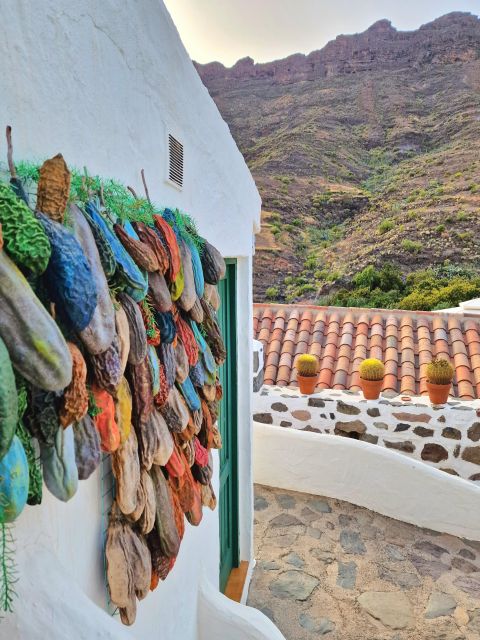
What makes this outing interesting is the mix of a 200-year-old Canarian house and a working mango plantation in the Mogán valley. You’ll wander through restored farm buildings while still feeling like you’re in a real agricultural place, not a theme park.
I love the Lolito vermouth tasting, where you get both white and red to compare. The sweet finish, Gazpachuelo de mango (cold mango and yogurt soup with chocolate cubes), is the kind of quirky Canarian combo you remember.
One real consideration: the walk down to the mango plantation can be tough, so it’s not suitable for baby carriages and not recommended for people with mobility issues, and the tour notes limits for heart problems and high blood pressure.
Key Things to Know Before You Go
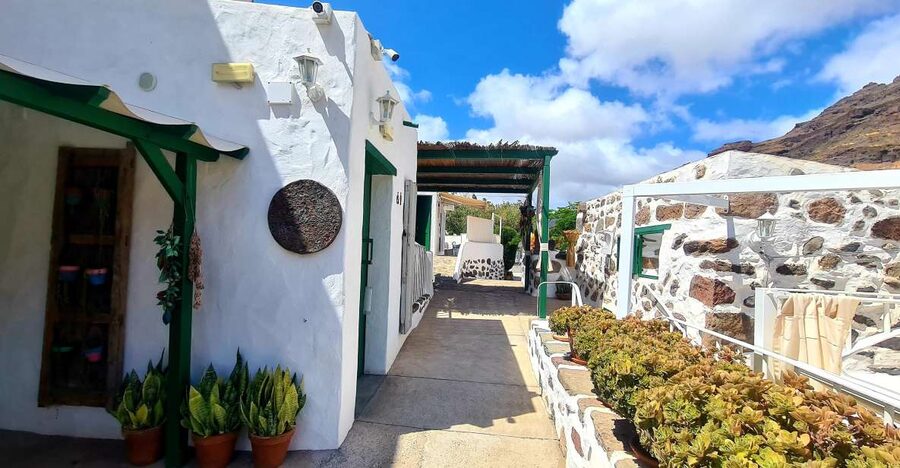
- A restored 200-year Canarian farmhouse complex: multiple small buildings, put back in traditional style.
- Cactus garden trails: lots of plant variety, with scenic stops as you walk.
- Mango plantation and local crops: you’ll see how mangoes, avocados, soursops grow.
- Vermouth tastings in Mogán: try both white and red Lolito.
- Gazpachuelo de mango dessert: cold mango and yogurt soup with chocolate cubes.
- Small group size: capped at 10, with a live guide and time for photos.
Entering Mogán at the Valle de Mogán Meeting Point
You start in the Pueblo de Mogán area, meeting in the parking lot of the Valle de Mogán restaurant, at Los Pasitos, 2. Your guide will be wearing a black jacket, which makes it easier to spot everyone fast.
This tour is short, about 2 hours, so the pacing is practical. You get enough time to feel like you did something real, but not so much walking that you’re wiped out for the rest of the day. With a group limited to 10, it also feels calmer than the big coach crowds.
If you’re planning your day in Gran Canaria, this is a smart pick when you want culture plus food, but you still want to keep your schedule flexible.
A few more Gran Canaria days worth comparing
- Full-Day Tour Exploring History, Nature and Aloe Vera Farm
★ 4.5 · 40 reviews - Gran Canaria Historic Tour – Yestarday and Today Premium
★ 4.0 · 10 reviews
The Restored Canarian House: Architecture You Can Actually Notice
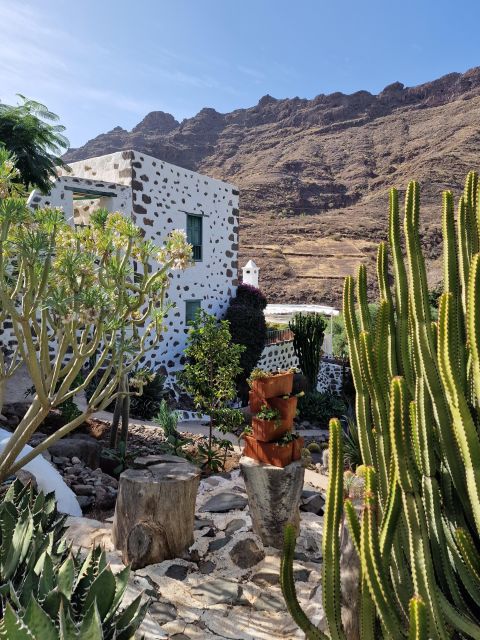
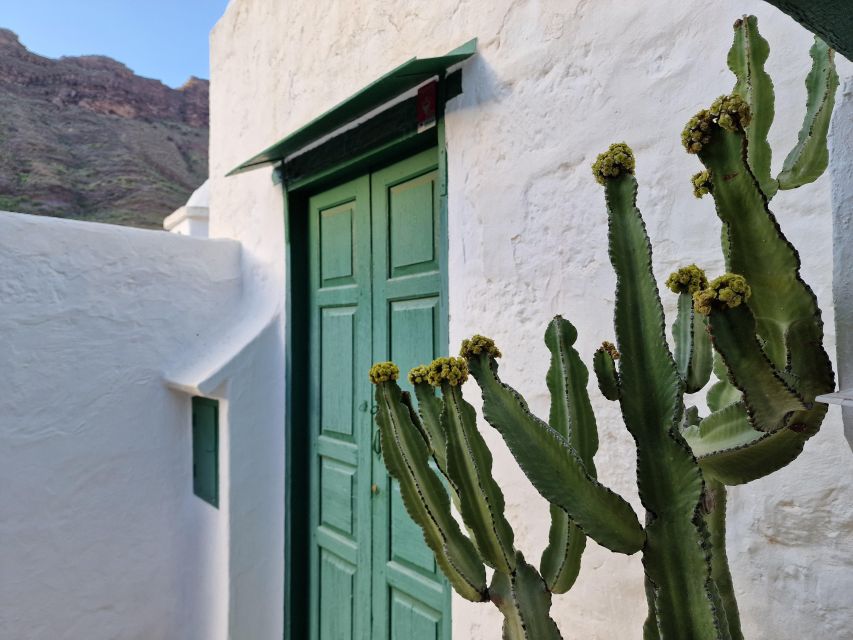
The core of the experience is a complex of small buildings that date back roughly 200 years. What matters here is not just the age. It’s how the buildings were restored, following the “popular Canarian architecture” look and logic of a traditional farmhouse.
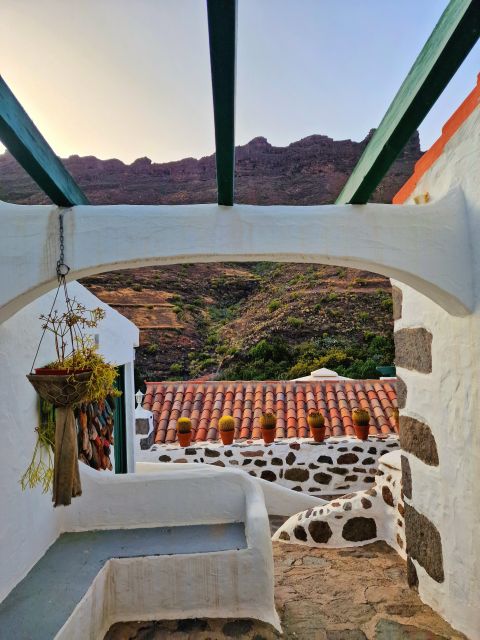
As you tour, you’ll notice how these spaces were designed for daily life in a rural setting. The setting helps too. The house sits within nature and native vegetation, with views over the Mogán valley. That combination makes the story feel grounded, because you’re not imagining the farm, you’re standing in it.
You’ll also get guided context, so the details land. A good sign is when you leave with more than just photos. This one aims for that, and the feedback I’ve seen emphasizes how informative the history feels.
Value for you: If you enjoy places that explain how people lived, not just what the building looks like, this part is the glue that ties the whole tour together.
The Mogán Valley Flow: A Walk With Photos and Wildlife Glimpses
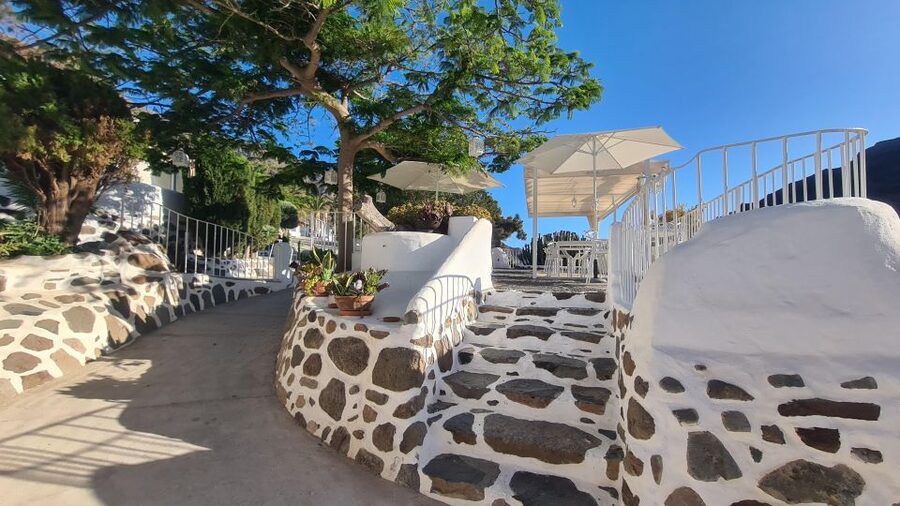
After you begin at the farmhouse complex, the schedule moves through the Mogán area with sightseeing time and chances to pause. There’s a “break time” built in, plus photo stops and scenic viewpoints along the way.
One detail that’s easy to skip over on other tours is the wildlife element. Here, the itinerary explicitly includes wildlife viewing. That doesn’t mean you’ll spot something dramatic at every step, but it does mean your guide will keep an eye on what’s around you, not just on the route.
Stop time is substantial, with 75 minutes at the Mogán portion. That’s long enough to feel relaxed, especially if your group has a mix of interests. You can take pictures without rushing, and you can ask questions without feeling like the guide is always moving you along.
Practical tip: Wear shoes you trust on uneven ground. You’ll be on trails in a farm environment, and that matters more than fancy sandals or slippery soles.
Cactus Garden Trails: Big Variety, Not Just One Pretty Patch
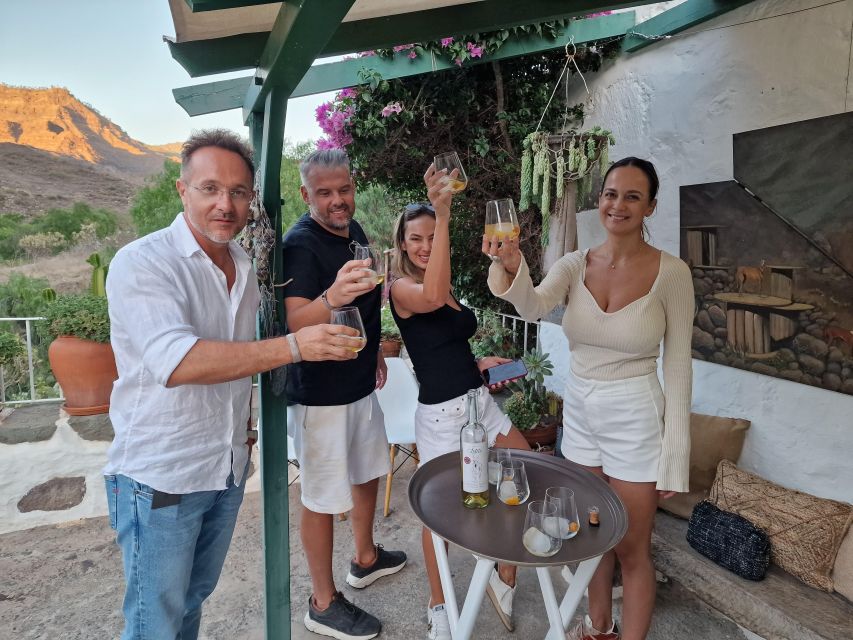
One of the best ways to enjoy this place is on foot, and the tour gives you that with a cactus garden visit. You’ll walk scenic trails through a garden with a big variety of plants.
Cactus gardens can feel repetitive on some islands, but this one is framed as part of the farm’s world. You’re not just looking at decorative plants. You’re learning why they belong here and how they connect to local food culture.
You’ll also likely notice the pacing. It’s structured, but not stiff. You’re allowed to look, pause, and take in the shape, color, and textures. It’s visual education, the kind that sticks because you’re moving through it.
Good to know: If you’re someone who likes botany but dislikes technical lectures, this is a friendly middle ground. You get explanations, then you get the walking.
Same island, a completely different kind of day:
- Gran Canaria: Catamaran Dolphin Watch Cruise with Snorkeling
★ 4.4 · 4,761 reviews - Poema del Mar Skip-the-Line Ticket
★ 4.8 · 3,856 reviews - Puerto de Mogán: Submarine Tour
★ 4.4 · 3,792 reviews - Maspalomas: Guided Camel Ride in the Maspalomas Sand Dunes
★ 4.4 · 3,690 reviews
Mangoes, Avocados, Soursops, and Tunera: Farm Crops Explained Simply
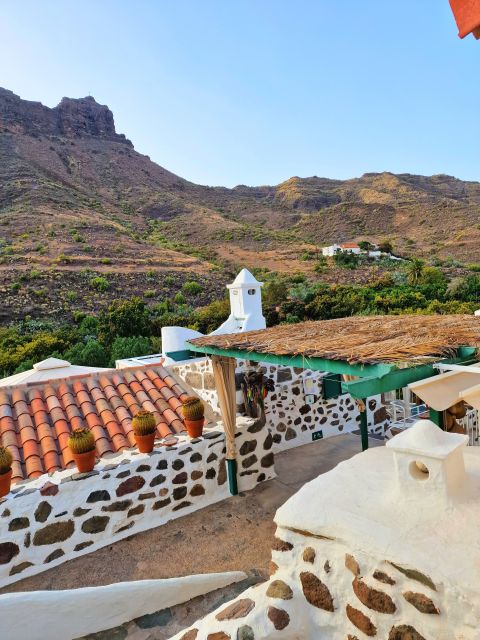
Next comes the working part of the experience. You’ll see how crops grow, including mangoes and other fruit trees like avocados and soursops. The guide also connects these plants to how Canarian cuisine uses them.
There’s also a clear cactus angle tied to food: tunera is mentioned as part of the story. In plain terms, you’re learning that the island’s plants are not just scenery. They feed local cooking and local habits.
This is where the “house plus plantation” mix earns its keep. If you’d only tour an old farmhouse, you might wonder what it relied on. If you’d only visit a farm, you might miss the cultural context. Put together, you understand both.
One caution: the tour notes it is not suitable for baby carriages and not for people with mobility impairments on the way down to the mango plantation. Even if you’re fine on flat ground, this is the part where steep sections can matter.
The Vermouth Factory in Mogán: White and Red Lolito Tastings
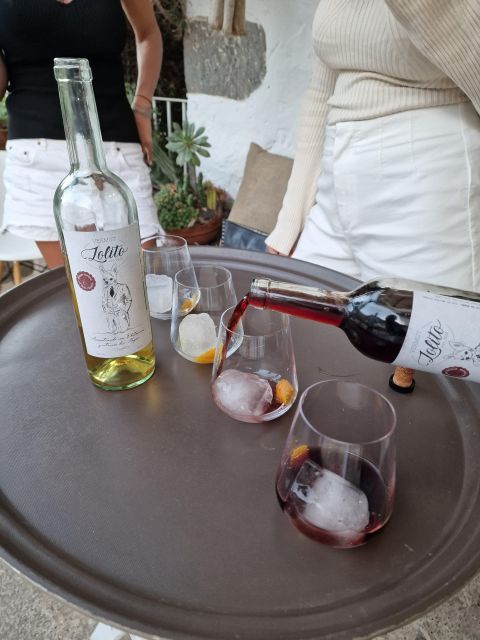
Then comes the fun payoff: vermouth. The farm describes itself as making the first vermouth in Gran Canaria, and during your visit you’ll see the vermouth production side of the operation.
Your tasting includes Lolito vermouth in both styles: white and red. This is a real highlight because it’s not one sample and done. You’re tasting two versions that behave differently on the palate, so you can actually compare.
The vibe is also practical and friendly. I’ve seen comments praising guides who were warm and welcoming, with tastings explained in a way that felt personal. One review also singled out the fact that the vermouth felt different and interesting, with people preferring one color over the other.
Value for you: If you’re a light drinker, it’s still interesting even if you don’t love alcohol. The tasting is short and paired with dessert, so it’s more like a guided food moment than a full drinking session.
Gazpachuelo de mango: Cold Mango, Yogurt Soup, Chocolate Cubes
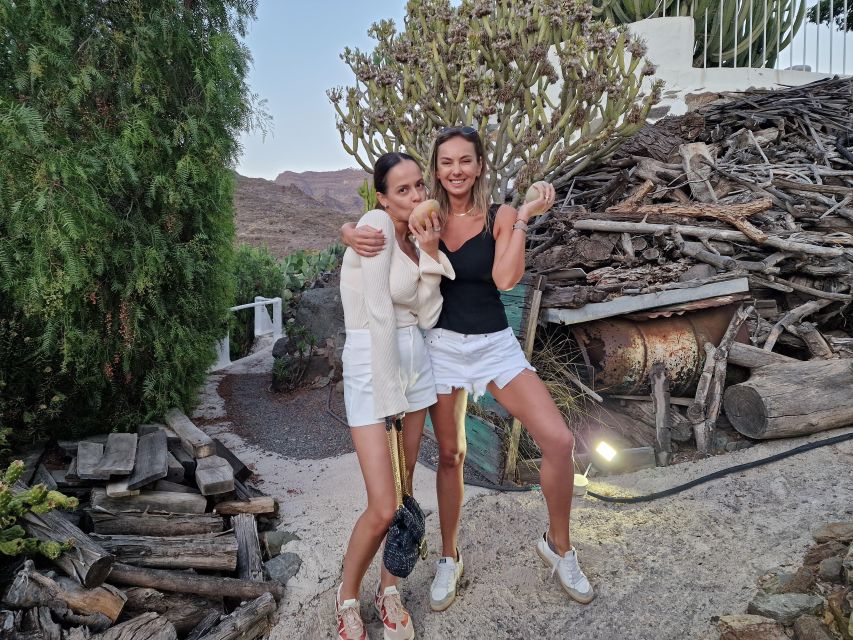
Your dessert is the signature Gazpachuelo de mango. Expect cold mango and yogurt soup served with chocolate cubes.
That combo sounds unusual, and that’s the point. It’s an “original dessert” designed to show how local ingredients can be playful. The cool, creamy yogurt plus sweet mango gives you the fruit punch, while the chocolate cubes add texture and a small bitter edge.
If you like food that isn’t trying to copy something from mainland Spain, this dessert is a great match. It feels specific to the island’s farm story, not imported trendiness.
Also, it’s included in the standard package, so you don’t have to spend extra to get the full experience.
Optional Lunch or Dinner at Valle de Mogán
If you want to make the day longer and more filling, there’s an optional lunch or dinner at the Valle de Mogán restaurant. The idea is local dishes made from the freshest ingredients.
This matters for value because you can choose your pace. If you’re pairing this with other Mogán stops, the 2-hour tour might be plenty. If you want one concentrated food block, add the meal.
My take: If you know you’ll be hungry after tastings, consider eating here rather than trying to chase a dinner spot right after. You’ll already be in the right place.
Price and Value: Why $63 for 2 Hours Can Add Up
At about $63 per person for a 2-hour tour, the price can look like it hinges on the tastings. But the real value is the package of three things you don’t often get together:
- A restored 200-year Canarian house with guided explanation
- A farm experience with mango and other crops, plus a cactus garden walk
- A guided food moment with Gazpachuelo de mango and Lolito vermouth tasting
You also get practical extras included: private guide, water, and bathroom access. There’s no hotel pickup, so you’re responsible for getting to the meeting point, but that’s also part of why the tour stays focused and efficient.
And because the group is capped at 10, you’re more likely to get personal attention, including questions and clarifications about what you’re seeing.
Who This Tour Fits Best (and Who Might Want to Skip It)
This works best if you want Gran Canaria that’s closer to daily life and local flavors than to big-city sightseeing. You’ll likely enjoy it if you like:
- Food tastings tied to place and ingredients
- Farm culture plus a historical setting
- Short, guided walks that still include enough time to breathe and take photos
It’s not the best fit for everyone. The tour specifically notes it is not suitable for baby carriages and not suitable for people with mobility impairments on the way down to the mango plantation. It also flags limits for people with heart problems and high blood pressure, and for people over 95 years.
If you fall into any of those categories, you should think carefully and consider asking the provider before booking. The wheelchair accessibility note can be tricky, so it’s worth clarifying which parts involve uneven or sloped ground.
A Quick Tip for Families and Non-Alcoholic Options
You’re tasting vermouth, but the experience is also set up in a way that can work when someone in your party isn’t drinking alcohol. One review highlighted that the team made a special non-alcoholic drink for a 13-year-old who really enjoyed it.
That doesn’t guarantee it will happen for every group, but it does suggest they’re willing to accommodate. If you’re traveling with kids or non-drinkers, it’s worth saying something early so the guide can plan.
Should You Book This Mogán House, Mango Plantation, and Vermouth Tour?
Book it if you want a compact, high-value experience that blends history, farm life, and tastings in a small group. The 200-year-old farmhouse setting gives context. The cactus and mango portions turn that context into something you can see and walk through. And the included dessert plus Lolito vermouth tasting makes it feel like more than sightseeing.
Skip it if you know you’re not comfortable with slopes or uneven ground, especially the mango plantation descent. This is the main practical friction point.
If you’re short on time in Gran Canaria but still want something authentic, this is one of those tours that makes your time feel “used,” not just filled.
FAQ
How long is the experience?
The duration is 2 hours. Check availability to see starting times.
Where does the tour start?
The meeting point is the parking of Valle de Mogán restaurant, at Los Pasitos, 2.
What is included in the tour price?
Included: a private guide, water, bathroom access, the dessert Gazpachuelo de mango, and a Lolito vermouth tasting (red and white).
Do I get hotel pickup or drop-off?
No. Hotel pickup and drop-off are not included.
What should I expect to see during the tour?
You’ll visit a restored 200-year-old Canarian farmhouse, see a cactus garden, visit the mango plantation area, learn how crops are grown and used in Canarian cuisine, and stop at the vermouth factory in Mogán.
What food and drink tastings are provided?
You’ll taste Lolito vermouth (red and white) and enjoy the dessert Gazpachuelo de mango.
Are there options to eat more than the included dessert?
Yes. There is an optional lunch or dinner available at the restaurant Valle de Mogán.
What group size is this tour?
It’s a small group, limited to 10 participants.
Is it wheelchair accessible?
The tour is listed as wheelchair accessible, but it is also noted as not suitable for baby carriages and disabled people on the way down to the mango plantation.
What languages are the guides available in?
The live guide is available in English, Spanish, and Russian.
Recently reviewed around Gran Canaria
- Traditional Gran Canaria: Arucas, Firgas and Teror★ 5.0 · 4 reviews
- Water Activities Combo in Gran Canaria★ 4.0 · 5 reviews
- YIN Yoga – deep stretch and relax★ 5.0 · 7 reviews
- Your photo shoot in Gran Canaria★ 5.0 · 4 reviews
- Gran Canaria Historic Tour – Yestarday and Today Premium★ 4.0 · 10 reviews
- Wanderungen im grünen Gran Canaria★ 5.0 · 3 reviews
- E-Bike CitySightseeing: Maspalomas Dunes, Playa Ingles, Meloneras★ 5.0 · 10 reviews
- e-Scooter City Tour + Camel Ride inside Maspalomas Dunes★ 4.5 · 11 reviews