
Reviewed · HIKING TOURS
Las Palmas: Sunset & Night Sky Guided Astronomy Hiking Tour
This Las Palmas area tour is interesting because it mixes a real evening hike with practical stargazing lessons. You’ll walk the Camino de Santiago de Gran Canaria toward Ventana del Nublo, then learn how to enjoy the Milky Way without turning your night into a gadget hunt.
I love that the experience is built around changing light, first sunset views and then full dark sky learning. I also love that you get simple tools for star spotting, like binoculars and an astronomy screen, so you’re not just standing around waiting for magic to happen.
One consideration: you’ll need your own car. Public transport does not work well in these zones, and the meeting point is at a campground area you reach by car.
Key Things You’ll Actually Care About
- Camino de Santiago de Gran Canaria walk as your lead-in to stargazing, not a quick photo stop
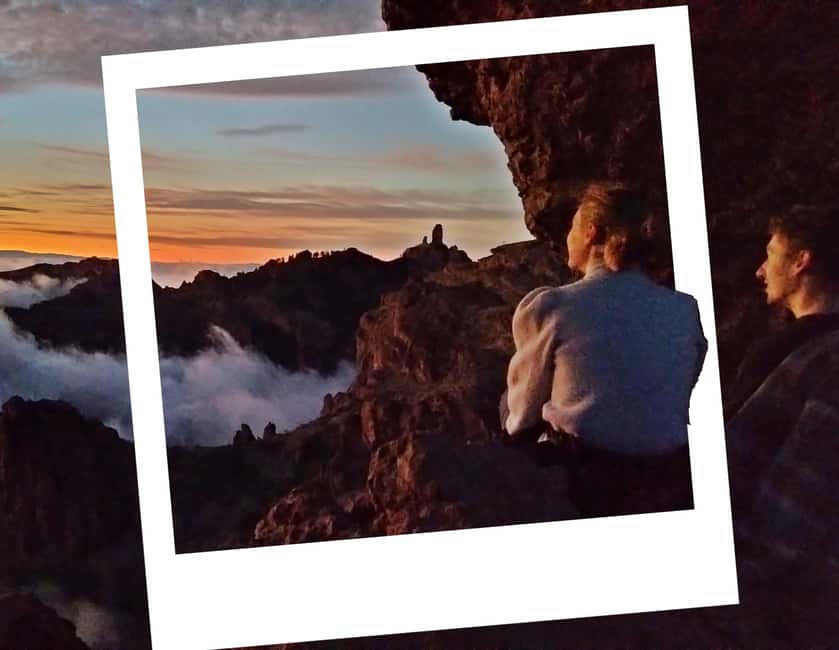
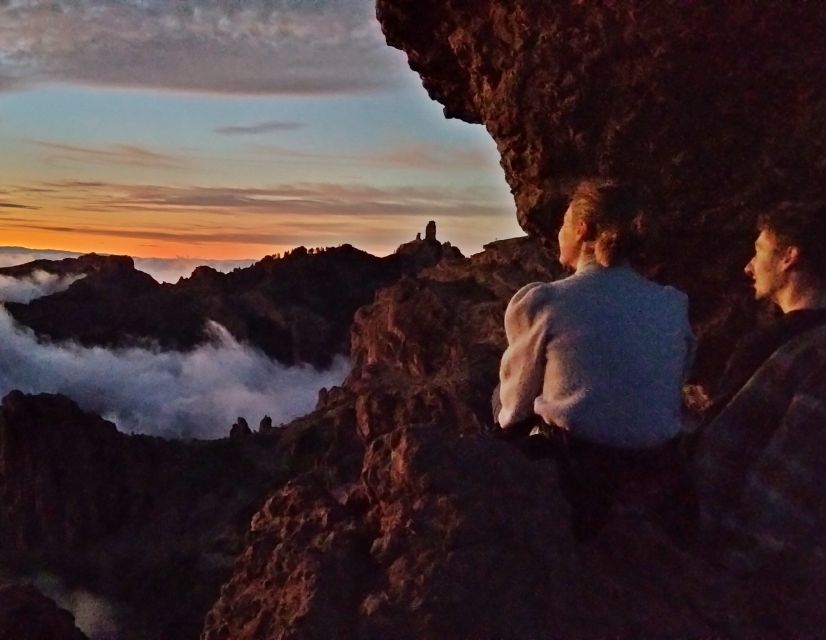
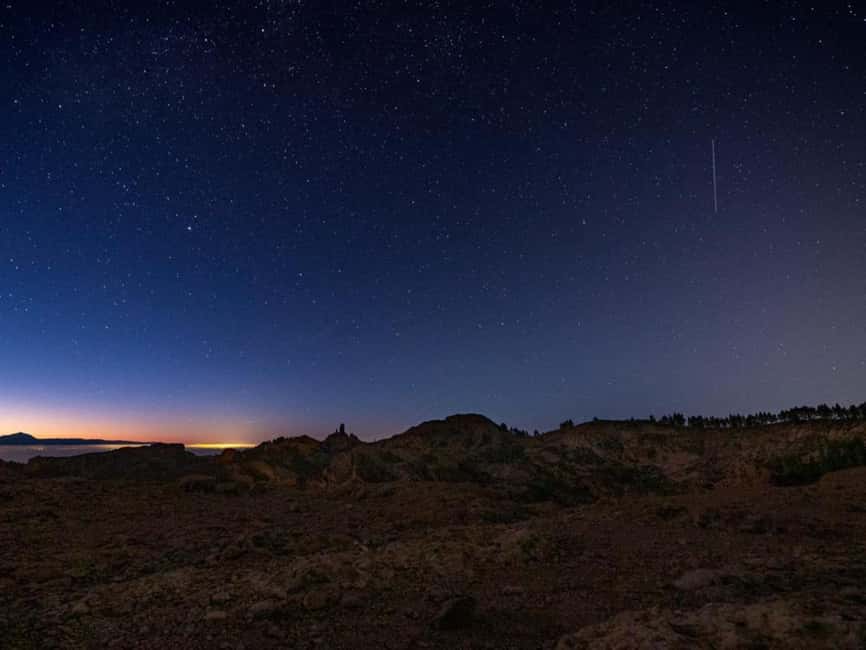
- Ventana del Nublo sunset views with Roque Nublo and Teide in the background
- No telescopes used, but binoculars, a screen, and clear guidance for the sky
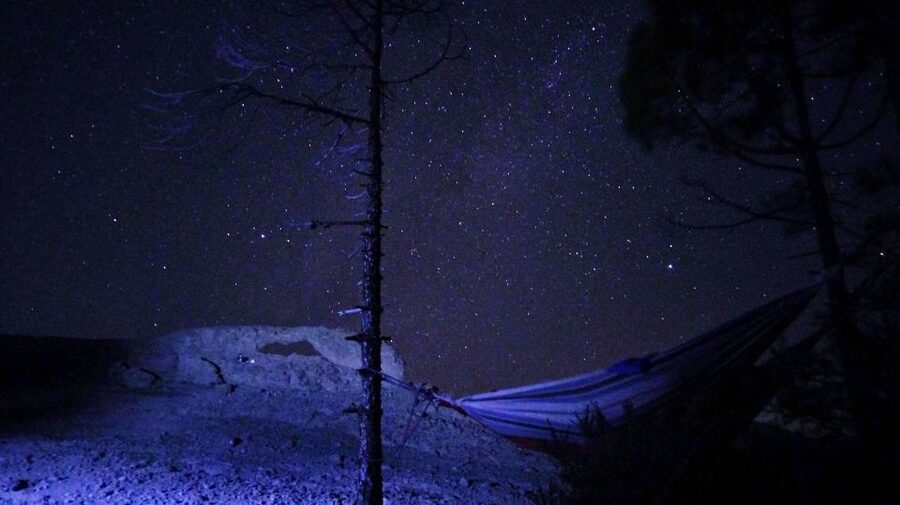
- Snacks, hot drinks, hammock, and blanket so you stay comfortable while looking up
- Small group (up to 10) with an English live guide, including stand-out explanations from Pablo
A Sunset Hike That Teaches You to Read the Night Sky
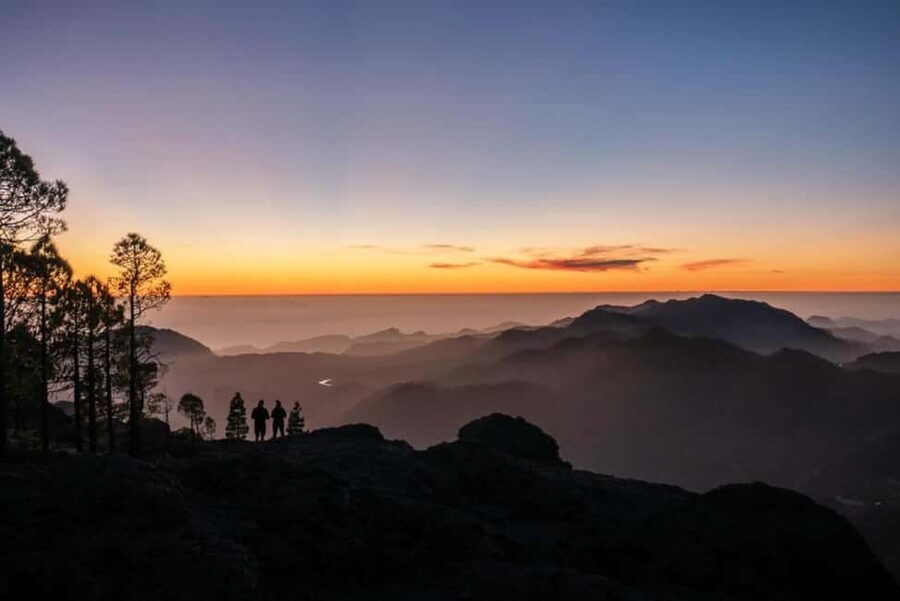
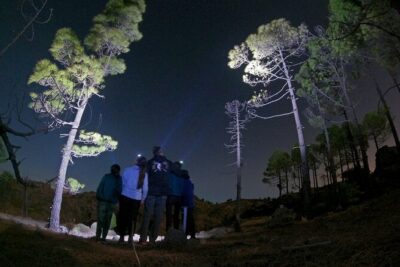
This is a stargazing tour with an actual schedule and a real reason to move. Instead of meeting at a parking lot and hoping the sky cooperates, you start with a guided trek along the Camino de Santiago de Gran Canaria and then slow down at Ventana del Nublo when the light turns.
That pacing matters. The sunset is your warm-up. As the sky darkens, the guide shifts from horizon views to how to interpret what you see. It’s a smoother way to learn than trying to jump straight into a black sky with no map.
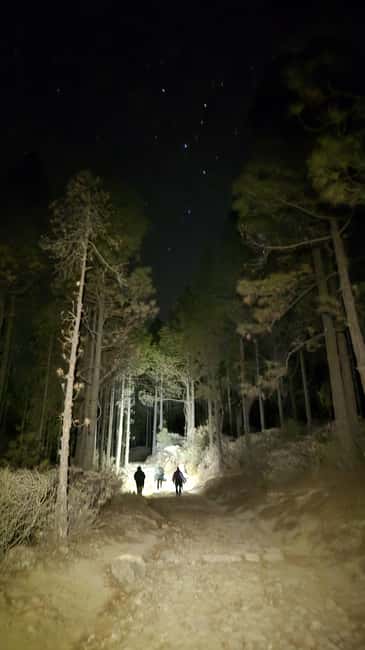
You’ll also feel the change from day to night as you walk through the forest, then reach the iconic viewpoint. It’s not just astronomy class. It’s astronomy with context, weather exposure, and the kind of hush that makes the stars look louder.
More walking and hiking days in Gran Canaria:
- The Volcano Heart Tour: Hiking, Tasting and Sunset Experience
★ 5.0 · 1,120 reviews - Gran Canaria: “Peaks of Gran Canaria” Hiking Tour
★ 4.9 · 295 reviews - Full day Hiking Gran Canaria Peaks of Gran Canaria
★ 5.0 · 130 reviews
Price and What You Get for Around $68
At $68 per person for about 3 hours, this tour sits in the “worth it if you’ll use the guidance” category. The price makes sense if you want three things at once: a guided hike, structured star lessons, and comfort items so you can actually stay outside after dark.
Here’s what’s included that helps justify the cost:
- Guided astronomy hike
- Binoculars
- Snack and hot drink
- Blanket, hammock, and light
- A screen for explaining astronomy concepts
What’s not included is just as important. There’s no telescope use. That’s not a deal breaker, but it changes what you should expect. You’re paying for learning and spotting, not for high-power views through equipment.
Also, there’s no transfer. So the real value depends on your transportation situation. If you already have a rental car, the price feels more straightforward. If you don’t, the logistics can become the expensive part.
Getting to the Meeting Point: Car Needed Near Tejeda
This one is simple and strict: you need a car to reach the meeting point. Public transport doesn’t work in these zones.
You meet at the campground area, and you can also park there. The tour ends back at that same meeting point, so you aren’t left scrambling for a ride at night.
If you’re used to walking out of town and hopping on buses, plan to adjust here. The best starry conditions are often in darker, quieter areas, and that means you drive. Build in a little margin for night driving comfort, especially if you’re not from the Canary Islands.
The Camino Trek to Ventana del Nublo at Sunset
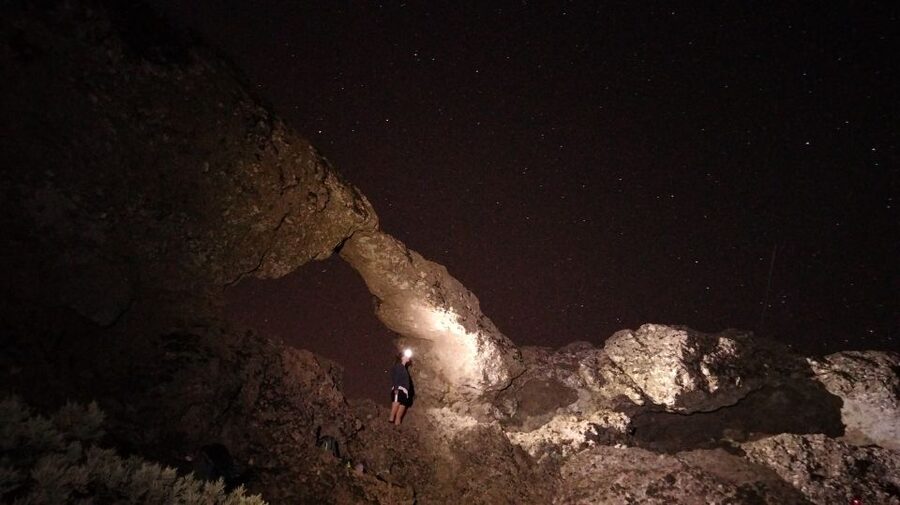
Your evening starts in the center of the island, surrounded by mountains and local scenery. From there, you begin the route through the Camino de Santiago de Gran Canaria. This is described as the most famous trekking route on the island, and the vibe is exactly what you want before stargazing: movement, fresh air, and a gradual shift into cooler evening tones.
As you walk, you’ll be transitioning from daylight into night. That’s not just scenery. It’s also the moment when stargazing starts becoming practical, because the guide can time the learning to the sky’s gradual darkening.
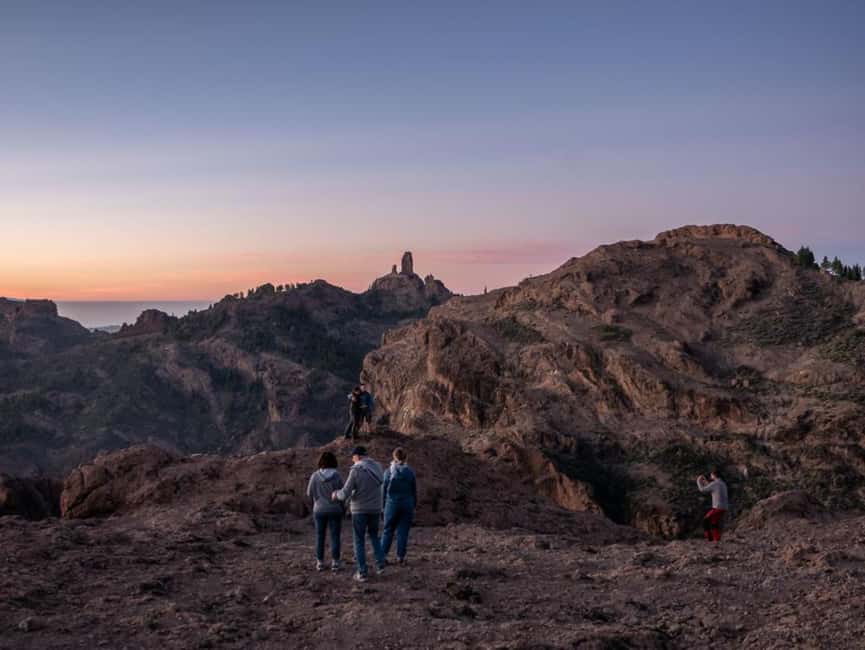
Eventually you arrive near Tejeda at Ventana del Nublo, one of the most iconic viewpoints in the area. This stop is your hinge moment. Before the sky fully deepens, you watch the sunset while learning basic astronomy concepts.
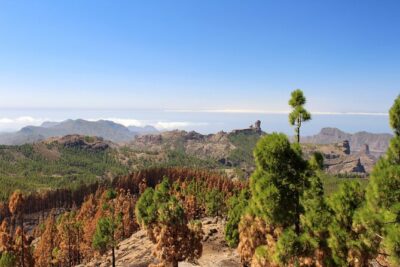
You’ll also get views that anchor the experience, including Roque Nublo and Teide. Even if you’re not a sky expert, having familiar volcanic silhouettes and a dramatic horizon makes the lesson easier to follow.
A few more Gran Canaria days worth comparing
- Gran Canaria: Volcano Sunset Tour and Local Food Tasting
★ 4.8 · 769 reviews - GRAN CANARIA: BUGGY TOUR -AFTERNOON SUNSET TOUR 1 HOUR 45MIN
★ 4.2 · 65 reviews - Gran Canaria : West coast Cabrio Sunset
★ 4.9 · 42 reviews - 2h Sunset Paddle Board Session in Gran Canaria
★ 5.0 · 40 reviews
Ventana del Nublo: Sunset Views and Astronomy Basics as the Sky Darkens
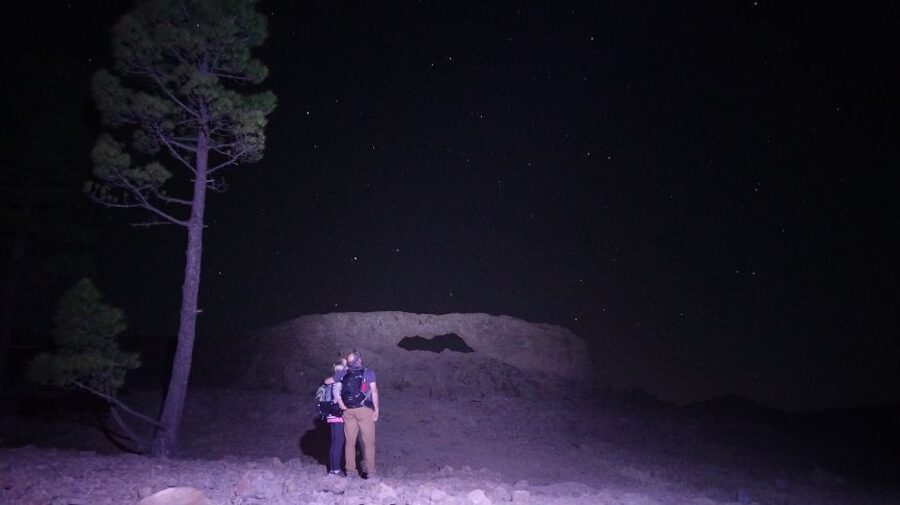
At Ventana del Nublo, the tour becomes more than a hike. It becomes a guided “how to see what you’re seeing” session.
The timing here is key. The guide uses the sunset as a teaching tool. As light fades, stars and patterns emerge in a way you can actually notice, not just imagine. The experience is designed around that moment when your eyes start adjusting and the sky finally starts looking like a real map.
The guide walks you through basic astronomy concepts while you look outward and then upward. This matters because the sky isn’t random. It has structure, and once you understand the basics, the rest of the night becomes easier to interpret.
You’ll also be shown how to connect what you see with what it means: which features are constellations, what planets look like compared to stars, and what to look for when searching the Milky Way.
No telescope is needed for any of that. The focus is on learning the patterns and cues you can repeat on your own.
Identifying Constellations, Planets, and the Milky Way
This tour is built for people who want to enjoy the night sky after the tour ends. That’s why the teaching portion is a core feature.
You’ll spend time observing and learning how to identify:
- Constellations
- Planets
- The Milky Way
The included binoculars are a helpful middle step. They’re not a replacement for a telescope, but they’re a practical tool for enhancing what you can spot and confirming what the guide points out. Combined with the screen the guide uses for explanations, you get a clear, repeatable structure.
One thing I like about this approach is that it lowers the barrier to entry. You don’t need to know the star names ahead of time. You also don’t need to bring equipment or gamble on your own interpretation in the dark.
In plain terms, you’re being taught how to navigate the sky. And once you learn that, you get a payoff every time you find yourself under a darker sky again, even without gear.
Snacks, Hot Drinks, and Getting Comfortable After Dark
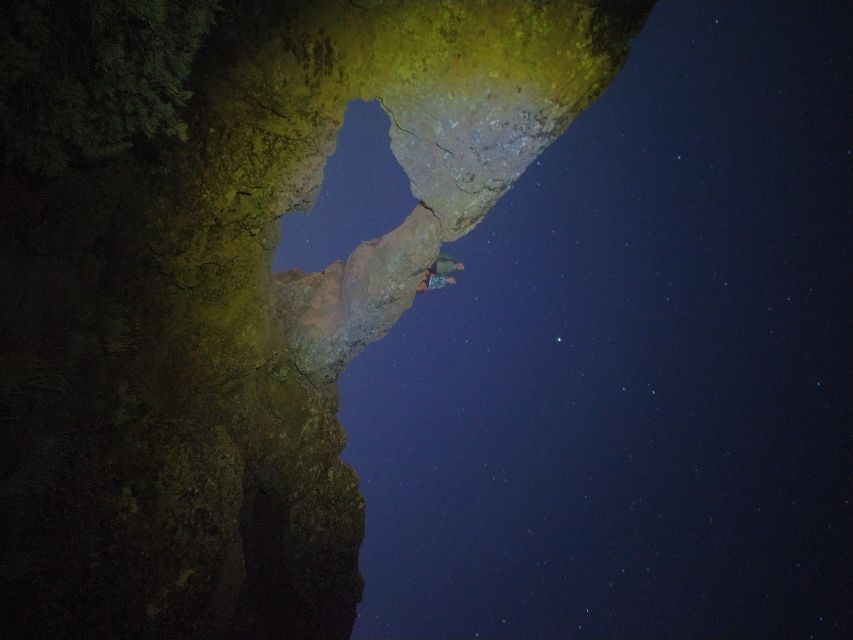
Stargazing can make people underestimate how cold or uncomfortable they’ll get once the sun drops. This tour anticipates that, and it’s part of why the experience feels smooth.
You’ll have:
- Snacks and a hot drink
- A hammock and blanket
- A light (so you can see when needed)
That setup helps you stay outside longer without turning the experience into a “quick look then rush back” routine. You can settle in, look up, and let the stars arrive.
It also changes the tone of the tour. Instead of a sprint from one spot to another, you get a more patient rhythm. You look, the guide explains, you try it yourself, and then you relax again with something warm in your hands.
The Guide Matters: English Explanations You Can Actually Use
The tour is led by a live guide in English, and this is one area where the overall experience gets strong marks. In particular, the guide Pablo is highlighted for combining solid astronomy knowledge with clear explanations, plus a tour pace that feels natural.
That combination is what you want. Astronomy can sound technical fast, and a lot of stargazing tours either oversimplify or get too scientific. Here, the goal is to help you identify what you see on the spot, then take the skill home.
You’re also in a small group, limited to 10 participants. That tends to make questions easier and helps the guide keep a steady rhythm even when people are still adjusting their eyes to the dark.
Gear and Comfort: What to Bring for This 3-Hour Night Hike
You don’t need special astronomy gear. Telescopes are not used in this activity.
What you do need:
- Warm clothing
- Hiking shoes
Wear layers. Even if you’re fine during sunset, temperatures can drop once you’re walking in a forest and then stopping at a viewpoint. Hiking shoes are essential because you’re on a trek route, not a flat city stroll.
Also, don’t count on buying snacks on the way. The tour provides snacks and a hot drink, so focus on bringing the right clothing and shoes, then let everything else be handled.
Small Group Size and the Pace of a 3-Hour Evening
This is a 3-hour experience. It’s not short enough to feel rushed, but it’s also not so long that you’ll lose the thread of learning.
Because the group is limited to 10 people, you should expect a hands-on style. You get time to look, time to listen, and time to try the identification steps yourself while the sky continues to darken.
If you’re the type who likes learning but gets bored when it turns into a long lecture, this format is a good fit. It stays physical and it stays visual.
Who This Tour Fits Best (And Who Might Skip It)
This is a great match if you:
- Want a guided stargazing experience that teaches you, not just a sit-and-watch event
- Enjoy hiking with a purpose, especially around sunset
- Like the idea of learning constellations, planets, and the Milky Way without a telescope
- Prefer small groups and clear English explanations
I’d think twice if:
- You hate driving at night and you do not have your own car ready
- You’re expecting telescope viewing. This tour explicitly does not use telescopes.
If your goal is simply to look at stars for a while, you might find other options. But if your goal is to understand what you’re looking at and repeat it on your own, this is a strong use of your time.
Weather and Schedule Changes: Plan for Flexibility
Because this is an outdoor night-sky activity, weather plays a role. The tour notes that depending on weather conditions, the activity could require changing the date or meeting point to look for the best conditions.
That’s normal for astronomy. Clearer skies win. So if you’re booking with tight timing, keep your schedule flexible where you can.
Should You Book This Las Palmas Sunset and Night Sky Tour?
I’d book it if you want an evening that feels like both a hike and a skill-building lesson. The combination of the Camino trek, Ventana del Nublo sunset views, and guided constellation plus Milky Way identification is a smart way to get value from your time in Gran Canaria.
Also, the included extras, hammock, blanket, snack, and hot drink, make it easier to relax and actually stay outside when it gets dark. And the fact that telescopes are not used shifts the tour toward learning you can do on your next clear night, not just enjoying borrowed equipment.
Skip it only if you can’t handle the car logistics or you specifically want telescope viewing. If you can drive and you like guided learning, this is one of the more satisfying ways to spend an evening in the Tejeda area.
If you do book, wear warm layers, bring hiking shoes, and plan on looking up more than you think you will. The guide gives you the tools, then the sky does the rest.
FAQ
How long is the Las Palmas sunset and night sky guided astronomy hike?
The tour lasts about 3 hours.
Is a transfer to the meeting point included?
No. Transfer is not available.
Do I need a car to reach the meeting point?
Yes. You need your own car because public transport does not work in these zones.
What language is the live tour guide?
The live tour guide speaks English.
Do you use telescopes during the tour?
No. Telescopes are not used in this activity.
What group size should I expect?
This is a small group, limited to 10 participants.
What should I bring for the tour?
Bring warm clothing and hiking shoes.
Recently reviewed around Gran Canaria
- Traditional Gran Canaria: Arucas, Firgas and Teror★ 5.0 · 4 reviews
- Your photo shoot in Gran Canaria★ 5.0 · 4 reviews
- Water Activities Combo in Gran Canaria★ 4.0 · 5 reviews
- YIN Yoga – deep stretch and relax★ 5.0 · 7 reviews
- Gran Canaria Historic Tour – Yestarday and Today Premium★ 4.0 · 10 reviews
- Wanderungen im grünen Gran Canaria★ 5.0 · 3 reviews
- E-Bike CitySightseeing: Maspalomas Dunes, Playa Ingles, Meloneras★ 5.0 · 10 reviews
- e-Scooter City Tour + Camel Ride inside Maspalomas Dunes★ 4.5 · 11 reviews
Hiking Tours, compared.
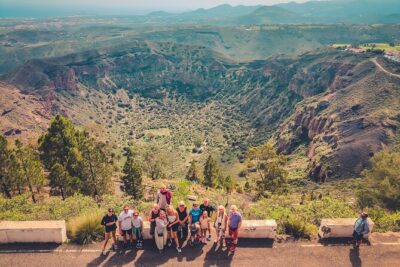
The Volcano Heart Tour: Hiking, Tasting and Sunset Experience
Read our review →
Full day Hiking Gran Canaria Peaks of Gran Canaria
Read our review →
Roque Nublo: hiking on volcanoes with Sky Rebels
Read our review →
Sunset Hike and Stargazing Experience in Roque Nublo Mountains
Read our review →
Browse the lists this tour appears in