
Reviewed · SCUBA DIVING
Gran Canaria: Scuba Diving for Beginners
The interesting bit here is that you get to do the most mind-bending part of scuba in just a short time: breathing underwater, then heading out with an instructor close by. It’s run from Puerto Escala harbour in Puerto Rico, and the small group size (up to 8) means the teaching feels hands-on, not rushed.
I especially like the focus on fundamentals first, so your first underwater moments feel more guided and less guesswork. PADI-led coaching earns repeat praise for patience with nervous first-timers, with instructors like Kate and Jasmine singled out for calm, step-by-step support.
One consideration: this is a real water activity with medical restrictions and no hotel pickup, so you’ll want to plan your arrival to Blue Water’s meeting point at Puerto Escala on your own.
Key things I’d bet on for a great first scuba session
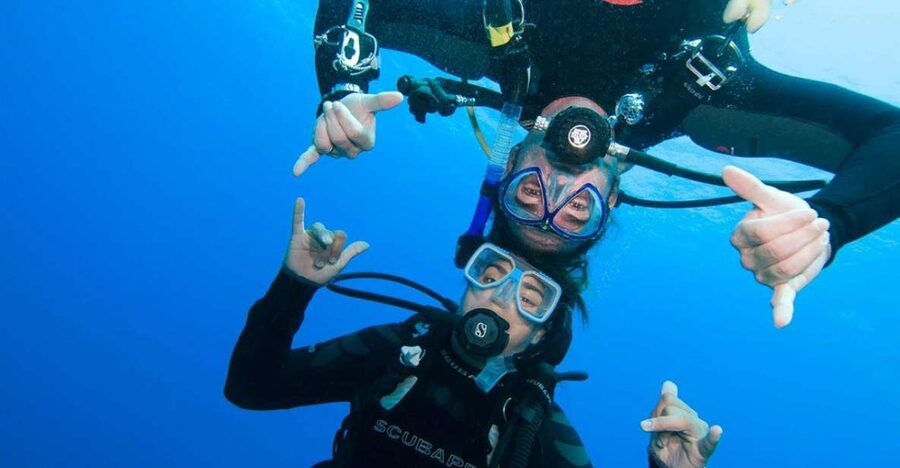
- Small group limits distractions, so you get personal attention when you’re learning new skills
- Pressure practice before open water helps you equalize more confidently on the deeper portion
- Clear instruction in English or Spanish makes the safety talk actually sink in
- Full gear rental is included, so you can travel light and focus on the experience
- You get an open-water experience to 12m (40 feet), not just pool time
Puerto Escala Harbour, and why this start feels easy
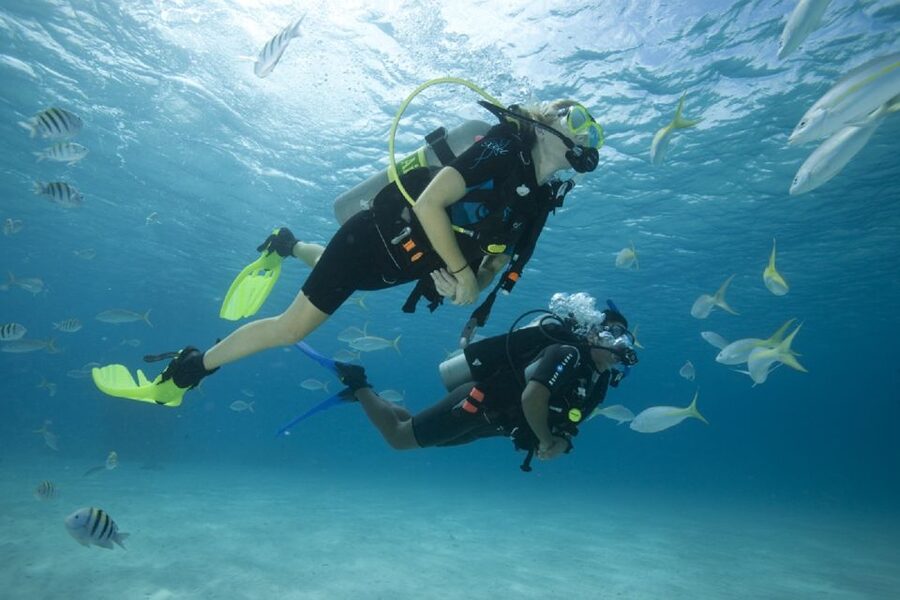
Gran Canaria is an ideal place to try scuba because the timing can be tight and the logistics are straightforward. You meet at Puerto Escala harbour in Puerto Rico at Blue Water (this is the base for the activity), and from there you’re set up for a short, structured experience.
What I like about this setup is that it keeps the learning focused. You are not doing a long day of setup, then hoping you remember instructions later. With only a couple of hours, the schedule is built around getting you from safety briefing to shallow skill work, then to open water under supervision.
Also, the small group size matters. Limited to 8 participants means the instructor and assistants can correct issues early, whether that’s how your regulator sits in your mouth or how you’re holding your hands for signals.
More dives and diving courses in Gran Canaria:
- Scuba Diving Experience for Beginners in Gran Canaria
★ 5.0 · 561 reviews - Gran Canaria: Try Scuba Diving for Beginners
★ 4.9 · 403 reviews - Beginners Scuba Diving Experience in Gran Canaria
★ 5.0 · 254 reviews
PADI Discover Scuba (DSD): what you do during the 2 hours
This experience is designed as an introduction for people with no previous scuba experience. It’s not a certification course on its own, but it follows a structured PADI format known as a Discover Scuba program (DSD). Think of it as a supervised try-out that teaches you how scuba equipment works and how to behave underwater safely.
In most cases, the flow is three parts:
1) a short introduction and safety briefing
2) skills practice in shallow, confined water
3) a supervised open-water session, up to 12 meters (40 feet)
That sequence is valuable because it matches how your brain learns. You learn the basics on land, you rehearse the body motions and breathing in a controlled area, then you use those skills for the real thing while your instructor keeps a close eye.
Safety briefing and hand signals that actually matter
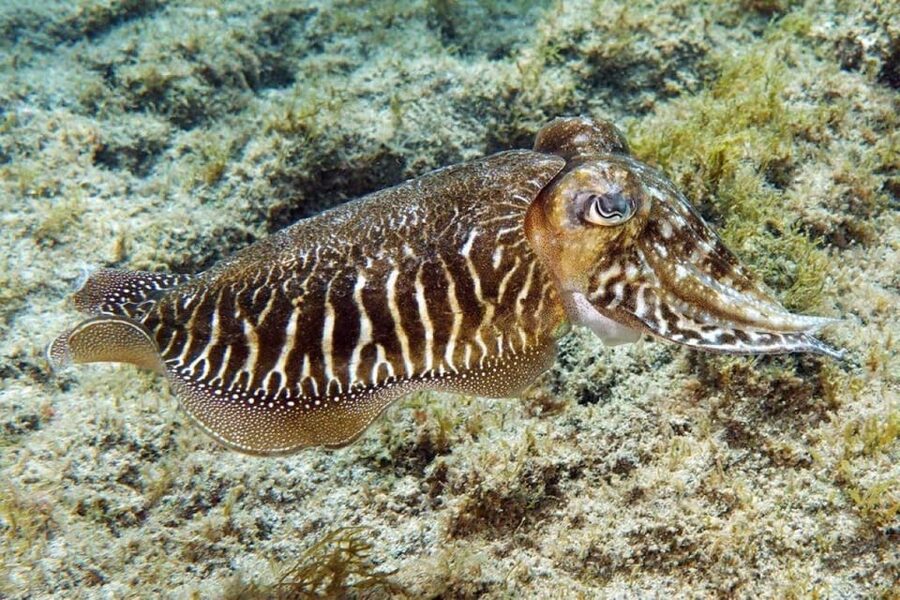
Before you get wet, you’ll get a short theory and safety briefing. The goal is not to drown you in information. It’s to get you comfortable with how scuba communication works and what to do if something feels off.
You’ll cover:
- basic scuba theory, in plain terms
- hand signals, so you can communicate underwater
- safety guidelines and gear explanations
This is where good teaching shows. In the reviews, the recurring theme is instructors taking the time you need. People mention getting relaxed with the equipment and being guided step-by-step rather than being pushed forward.
In practice, that calm approach matters because first-timers often get tense. And tension makes it harder to equalize pressure and stay steady in the water. When your instructor lays out what will happen next, your nervous system has less to worry about.
Shallow water practice: breathing underwater, clearing, and equalizing
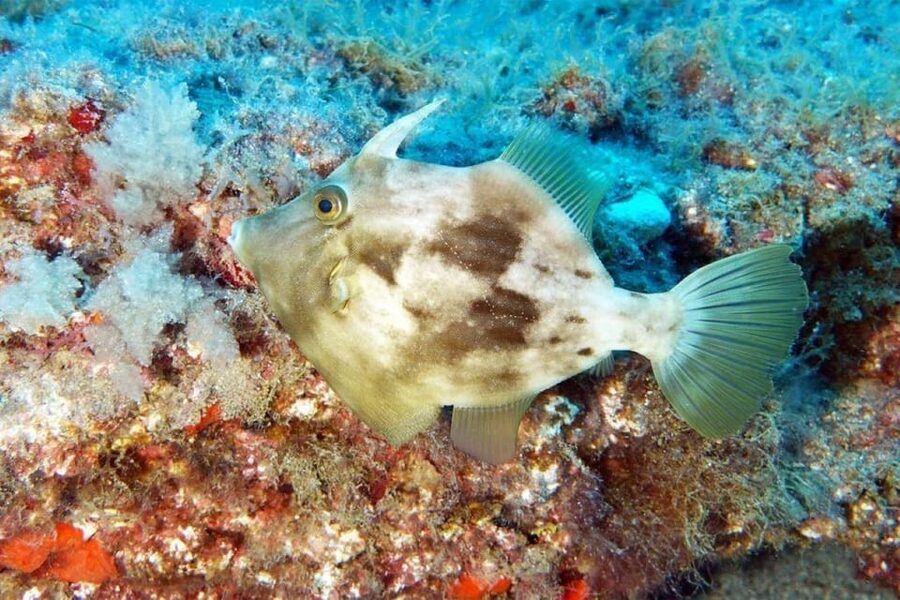
Your first underwater learning happens in shallow, confined water. This is the part where you build the most confidence, because you’re practicing the exact skills that make or break a smooth experience.
You’ll typically work on:
- breathing underwater using the regulator
- clearing a regulator and clearing a mask
- equalizing pressure
- learning how to stay comfortable while moving slowly
From the review stories, this is also where the instructors earn big points. Several people mention panicking briefly, especially around pressure or ear equalizing, and being helped through it until they could move around comfortably. That support is a key reason this try-out is such a good fit for beginners.
A practical tip: when you equalize, do it early and gently. Don’t wait until you feel strong discomfort. If you feel pressure building, pause, signal if needed, and follow your instructor’s cue. Your body will learn the rhythm faster that way.
Same island, a completely different kind of day:
- Gran Canaria: Catamaran Dolphin Watch Cruise with Snorkeling
★ 4.4 · 4,761 reviews - Poema del Mar Skip-the-Line Ticket
★ 4.8 · 3,856 reviews - Puerto de Mogán: Submarine Tour
★ 4.4 · 3,792 reviews - Maspalomas: Guided Camel Ride in the Maspalomas Sand Dunes
★ 4.4 · 3,690 reviews
The open-water session to 12 meters: what you’ll see
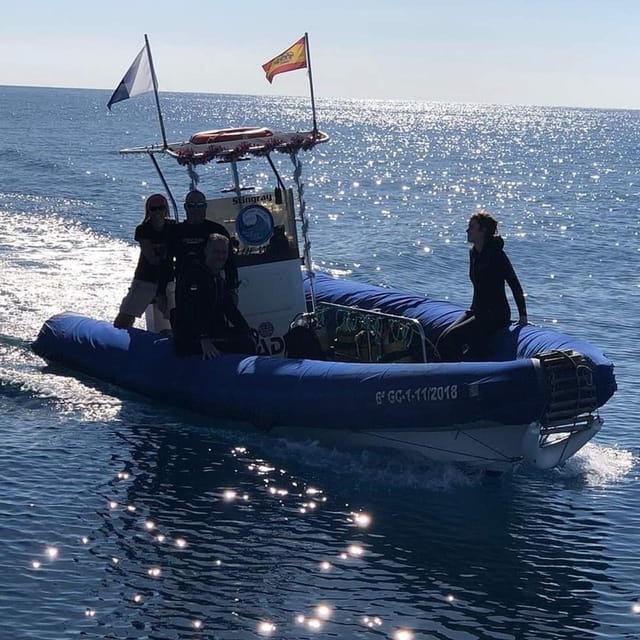
After the shallow practice, you head into open water for a supervised session, up to 12 meters (40 feet). This is where the whole experience clicks.
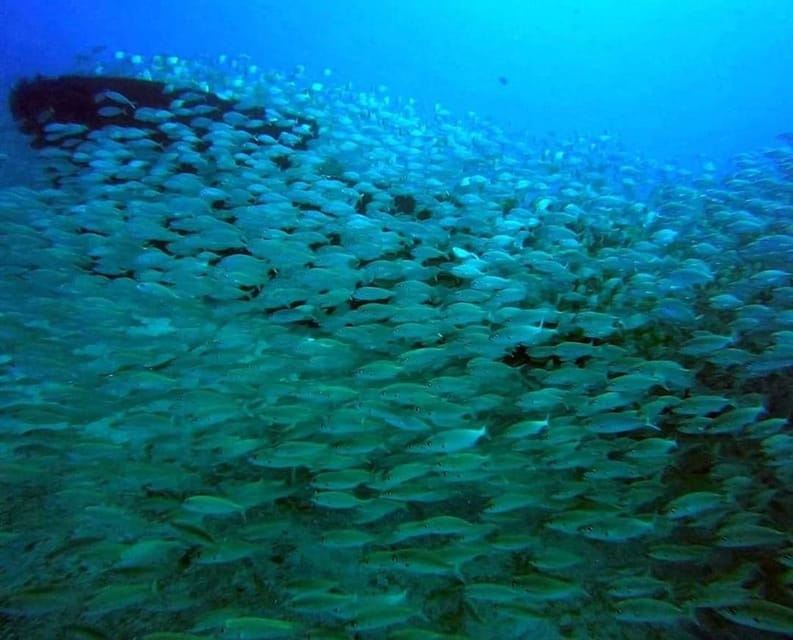
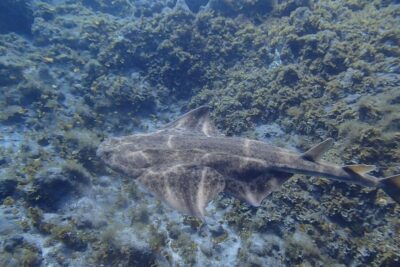
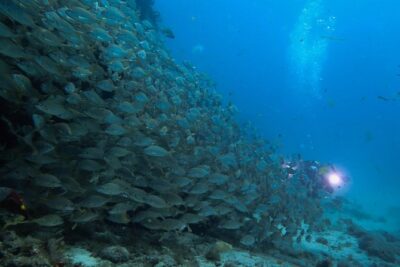
You’ll explore coral reefs and marine life while keeping close supervision. You should expect to see plenty of fish and other sea creatures. In the feedback you provided, people specifically call out sightings of lots of fish and even an octopus.
Depth matters here. 12 meters is deep enough to feel like real scuba, but it’s still within the beginner-friendly range where instructors can manage comfort and monitoring. You’ll likely notice the water feels cooler, visibility can shift a bit, and your movement feels slower. That’s normal. Good instruction helps you understand why it feels different and how to adjust.
If you’re bringing a charged smartphone, ask how to handle it safely. Your materials mention bringing a charged smartphone, which is usually about being able to capture underwater moments. Just remember: focus first, electronics second.
Value for about $106: what you really get

At around $106 per person for a 2-hour experience, you’re paying for more than just “time in the water.” You’re paying for structured instruction, PADI-certified professionals, and the equipment and support that make it beginner-safe.
Here’s what’s included:
- equipment rental (mask, fins, wetsuit, regulator, tank, and more)
- supervision and instruction from PADI dive instructors
- insurance
That combination is the main value. If you try to do this on your own, you would still need equipment, a safe setup, a boat or shore plan, and someone who can coach you through breathing and equalizing. Here, that’s handled for you.
Two other value levers:
- small group size (max 8), which supports individualized corrections
- the format of a short skills progression, so you spend your time learning the right things, not only watching from the sidelines
If you compare it to a full certification course, you should see this as a “try it and decide” step. It can also count toward PADI Open Water Diver certification if you continue, which makes this feel like a smart first move for people who aren’t sure they’ll love scuba.
Getting to Puerto Escala without stress
Hotel pickup is not included, so you’ll want to plan your own transport to Puerto Escala harbour in Puerto Rico. The good news is that meeting at a harbour usually makes timing simpler than meeting on a faraway road or out in the countryside.
Also, check the practical items early:
- you must be at least 10 years old
- you’ll complete a short medical form, and medical restrictions may apply
- height, weight, and shoe size are required
That last point matters because it directly impacts fitting the wetsuit and gear. If you arrive without accurate sizes, it can slow down the setup or reduce comfort. Comfort is a big part of staying calm.
Instructors speak English and Spanish, so if you prefer one, you can look for that when you book or confirm on the day.
Who should book, and who should skip this try-out
This experience is built for beginners, but it still has limits.
You’ll be a strong fit if:
- you’re reasonably comfortable in the water
- you’re willing to follow instructions closely
- you can complete the medical form
- you want that first real underwater taste, including breathing and basic safety skills
You should not book if:
- you’re pregnant (explicitly not suitable)
And even if you are not in the “not suitable” category, go in with an honest view of your comfort level. If the idea of equalizing pressure makes you anxious, tell the instructor during the briefing. In the stories you shared, instructors helped people work through those moments so they could swim around comfortably after a rocky start.
What to bring, and how to avoid first-timer headaches
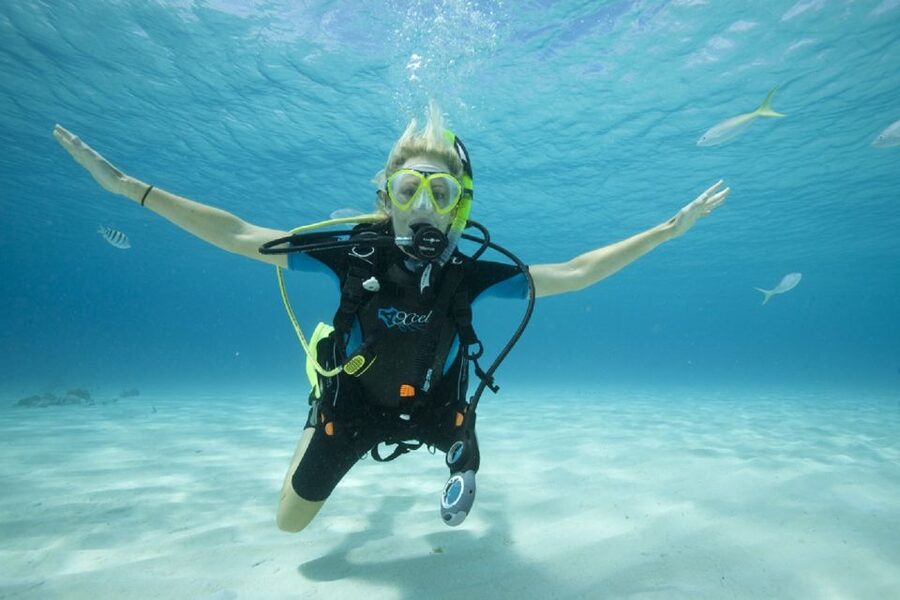
The essentials listed for you:
- swimwear
- towel
- charged smartphone
Then add a couple of practical mindset points based on how the coaching is described:
- Avoid alcohol before your session
- Don’t fly within 18 hours after your scuba session
Both of those support safety and help your body handle the changes that come with scuba.
The other biggest “headache” for first-timers is panic. The good instruction style here is repeatedly mentioned: instructors give time, keep things calm, and guide you through gear and pressure issues. If you feel yourself tensing, slow your breathing, keep your hands visible for signals, and trust that the instructor is there to help.
Should you book this Puerto Rico beginner scuba try-out?
Yes, I think you should book it if you want a beginner-friendly, structured way to experience scuba fundamentals in Gran Canaria. The small group size, gear included, and PADI-led coaching make it a strong value at about $106 for 2 hours.
Book with extra confidence if:
- you want clear instruction and patient support
- you’re nervous but willing to try (that’s often when the best coaching matters most)
- you want real open-water time to 12 meters, not only shallow practice
Skip it (or ask extra questions before booking) if you know you won’t meet medical requirements, or if you fall under the not-suitable category.
If you’ve ever wanted that first underwater breath to be more than a fantasy, this is one of the more sensible ways to test the waters in Gran Canaria.
FAQ
What is the duration of the beginner scuba experience?
The experience lasts about 2 hours.
Where do we meet for the activity?
You meet at Puerto Escala harbour in Puerto Rico, Gran Canaria.
Do I need any previous scuba experience?
No, prior experience is not required.
How old do you have to be to join?
Participants must be at least 10 years old.
What languages are the instructors speaking?
Instructors speak English and Spanish.
What is included in the price?
The price includes equipment rental, instruction by PADI dive instructors, and insurance.
Is hotel pickup or drop-off included?
No, hotel pickup and drop-off are not included.
Are there medical restrictions?
You complete a short medical form, and medical restrictions may apply. It is also not suitable for pregnant women.
Can I cancel and get a full refund?
You can cancel up to 24 hours in advance for a full refund.
Recently reviewed around Gran Canaria
- Traditional Gran Canaria: Arucas, Firgas and Teror★ 5.0 · 4 reviews
- Water Activities Combo in Gran Canaria★ 4.0 · 5 reviews
- YIN Yoga – deep stretch and relax★ 5.0 · 7 reviews
- Your photo shoot in Gran Canaria★ 5.0 · 4 reviews
- Gran Canaria Historic Tour – Yestarday and Today Premium★ 4.0 · 10 reviews
- Wanderungen im grünen Gran Canaria★ 5.0 · 3 reviews
- E-Bike CitySightseeing: Maspalomas Dunes, Playa Ingles, Meloneras★ 5.0 · 10 reviews
- e-Scooter City Tour + Camel Ride inside Maspalomas Dunes★ 4.5 · 11 reviews
Scuba Diving, compared.
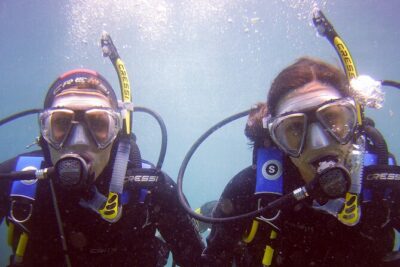
Scuba Diving Experience for Beginners in Gran Canaria
Read our review →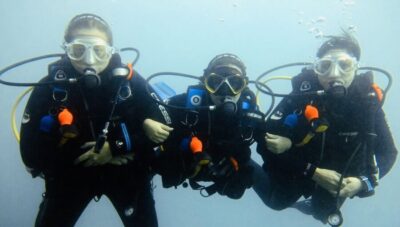
Beginners Scuba Diving Experience in Gran Canaria
Read our review →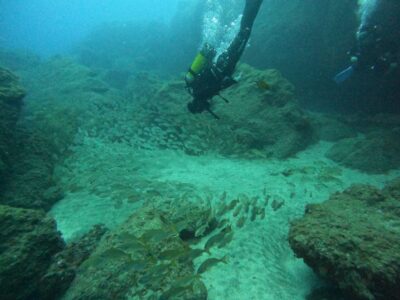
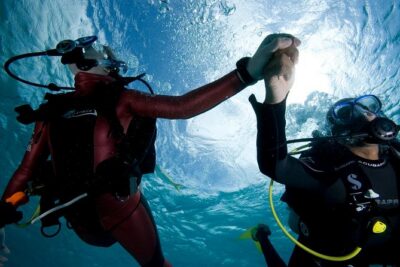
Live an Adventure and Learn to Dive with Expert
Read our review →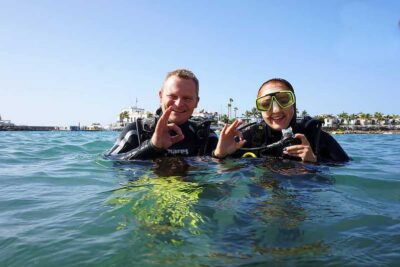
Browse the lists this tour appears in