Reviewed · TOURS
Gran Canaria Tour: Past and Present
This Gran Canaria tour is interesting because it strings together two worlds, the island’s aboriginal cave settlements and today’s midlands life, in one efficient day. You’ll spend time in Guayadeque Valley and then look up at Roque Nublo, both tied to what Gran Canaria looked like before and after the Spanish arrived.
I love the way the day is structured around place. I also like the panoramic bus route, where the scenery keeps changing as you go from lower coastline areas toward the mountains.
My main caution is timing. The day can feel full and a bit hectic, especially if your pick-up is early and your return runs late, and lunch is not included, so you’ll need to plan for food on the go.
Key Things You’ll Notice on This Gran Canaria Tour
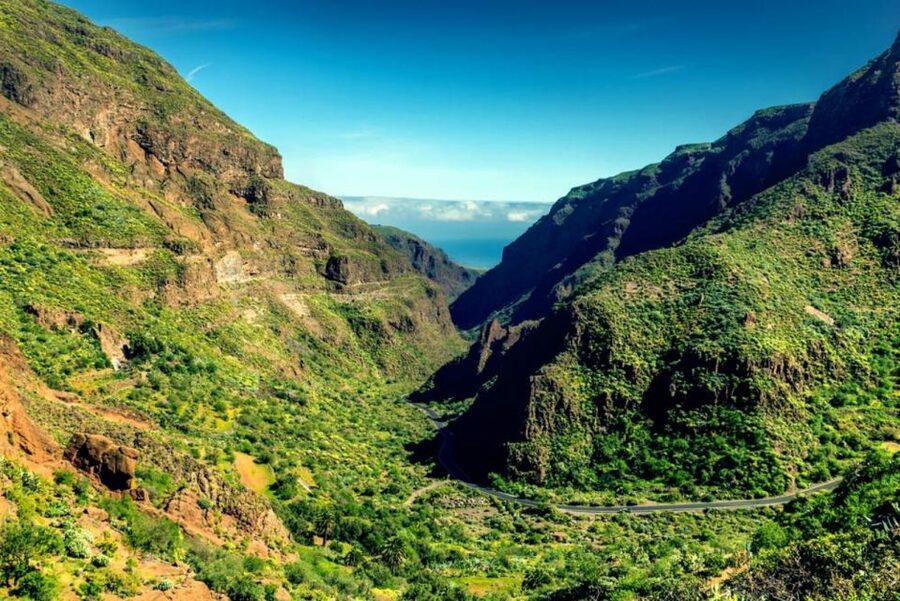
- Guayadeque Valley cave houses and a natural setting that explains how people actually lived
- Teror and the Basilica of Our Lady of the Pine, plus Canarian-style manor houses
- Las Medianías midlands farmland and livestock views as you climb
- Valleseco free time in a protected natural area, with lunch on your own
- Roque Nublo volcanic rock viewpoints tied to ancient meaning and modern symbolism
- Aloe vera estate stop where you might get product-focused explanations during the visit
A Full Day That Feels Like an Island Road Trip
This is not a beach-and-back tour. It’s a bus day that moves through Gran Canaria’s different zones so you start to understand why the island looks so dramatic on the map. One minute you’re thinking about ancient settlement patterns, and the next you’re watching the terrain shift into steep valleys and agricultural midlands.
The route also gives you a practical kind of context. If you’ve only spent time near the coast, you might not realize how much Gran Canaria is shaped by elevation, wind exposure, and microclimates. That’s why the “past and present” theme works better here than in tours that only do museum stops.
One thing to keep in mind: this is an 8-hour experience with a lot of driving and multiple stops. If you like slow travel, you’ll probably want to balance this with at least one low-key day in your trip schedule. If you want a strong overview fast, this tour is made for you.
Other Gran Canaria trips worth an open tab:
- Gran Canaria: Catamaran Dolphin Watch Cruise with Snorkeling
★ 4.4 · 4,761 reviews - Poema del Mar Skip-the-Line Ticket
★ 4.8 · 3,856 reviews - Puerto de Mogán: Submarine Tour
★ 4.4 · 3,792 reviews
Price and Logistics: Good Value, With One Big Catch
At $58 per person for an 8-hour guided loop, you’re paying for transportation plus guided interpretation plus several named stops. Pick-up is included from a wide set of areas, including Playa del Inglés and Maspalomas, Costa Meloneras, San Agustín, Bahía Feliz, Taurito, and Puerto Mogán. That convenience is a real part of the value, especially if you’re not renting a car.
But here’s the catch: bus tours with shared pick-ups and drop-offs can run long. One review noted a return around 19:30 despite an earlier expectation, and another mentioned roughly three hours lost to getting different groups on and off. Even when everything is well organized, the schedule can feel tighter than you’d like.
Group language can also affect how smooth the day feels. You’ll have a live guide in Spanish, English, and German, and at least one guide named Tom has been praised for explaining a lot in three languages all day. Still, if you’re traveling in English or Spanish and the group switches between languages, you may get less detail in your language at certain moments.
Practical tip: pack for the mountains and the bus. Bring comfortable shoes and a windbreaker, because the weather can feel cooler and gustier the closer you get to the higher areas. Also, plan your energy for a day where you might not always have a long, relaxed window to just sit and watch.
Guayadeque Valley and the Cave Houses That Change Your Perspective
Guayadeque Valley is one of those stops where the place explains the story better than any brochure. You’ll visit the valley and its cave-dwellings, which have been inhabited since pre-Hispanic times and are still part of the Natural Monument area. Standing there, the idea of shelter and adaptation makes immediate sense.
What I like about this stop is that it’s not only scenic. It’s functional. You’re seeing why certain communities settled in specific terrains, how a landscape can shape a daily routine, and how the island’s geography created opportunities for building and living.
The cave houses also tend to ground the tour theme in something real. A lot of history tours stay abstract, but here you’re walking through the kind of housing that would have changed how people gathered, stored food, and stayed protected from heat and wind. Even if you only catch key explanations, the visuals do most of the work for you.
One more benefit: Guayadeque is exactly the type of stop that gives you photos, but also answers a question you might not have known to ask. It helps you see the island as a living place, not just a view from a lookout.
Teror, Arucas Banana Country, and a Beautiful Break From the Bus
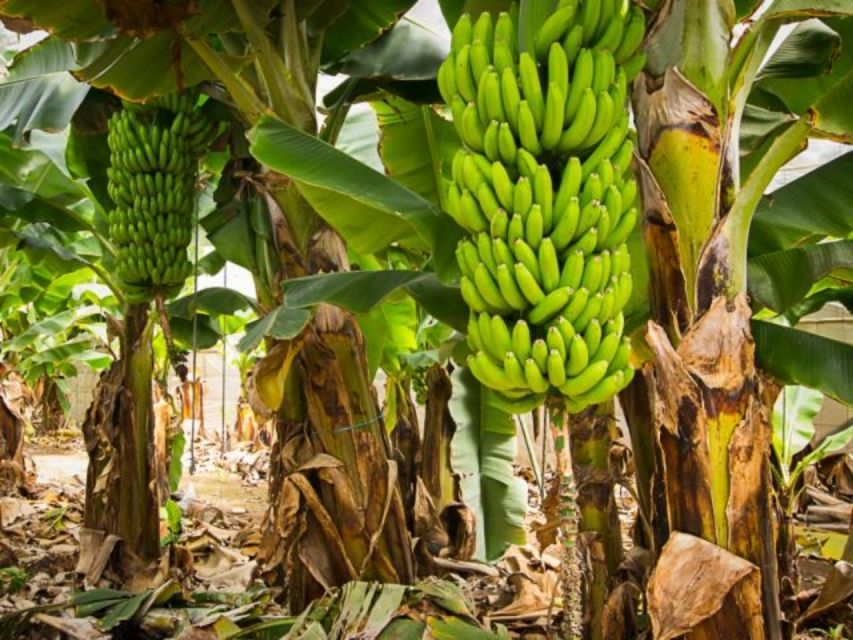
On the way to Teror, you’ll see panoramic scenes of banana plantations near Arucas from the bus before you arrive in town. That matters because it shows you a different Gran Canaria than the classic postcard cliffs and dunes. Agriculture becomes part of the island’s identity, not a side note.
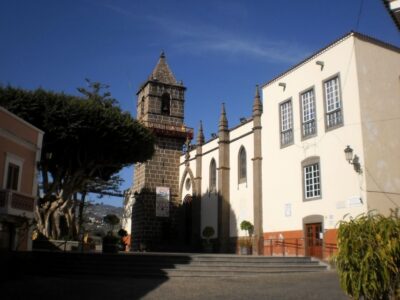
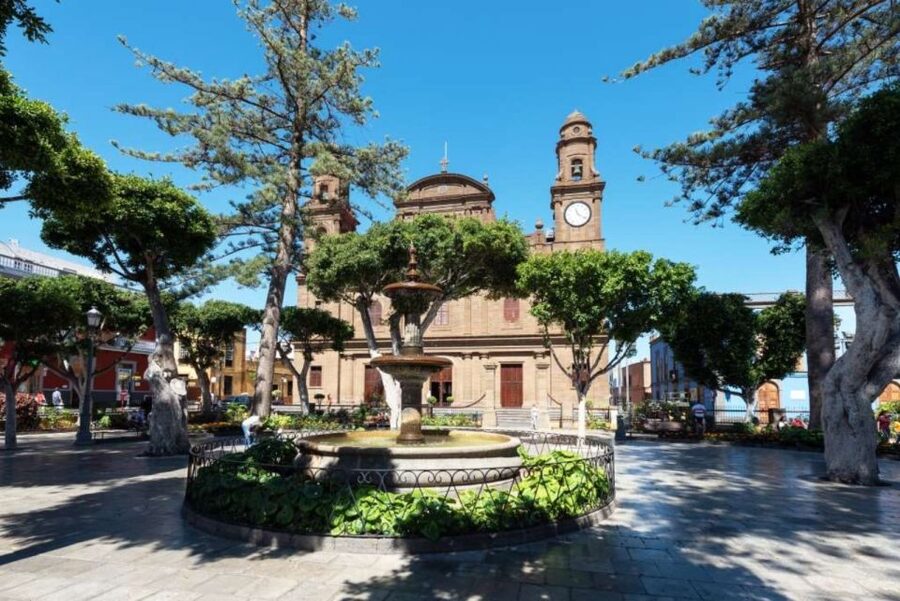
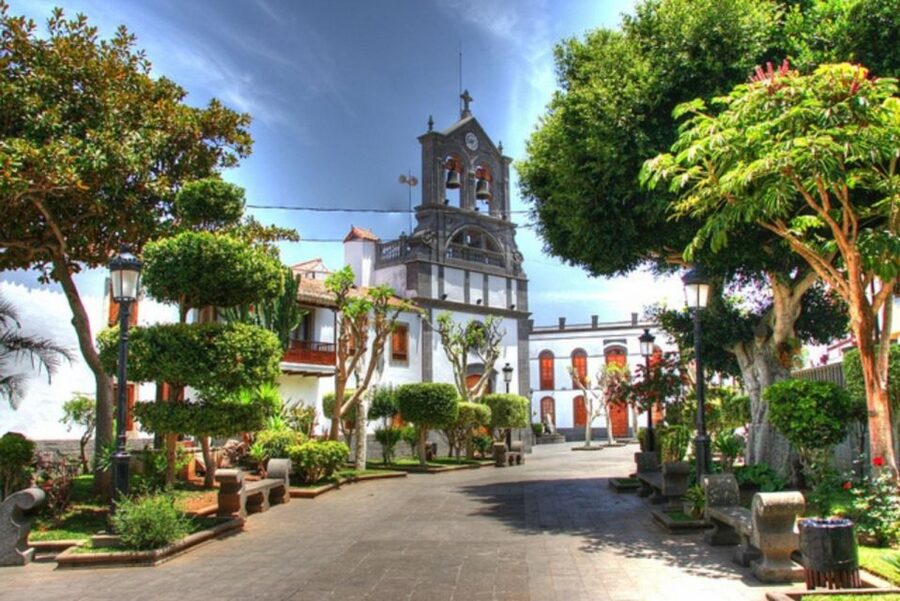
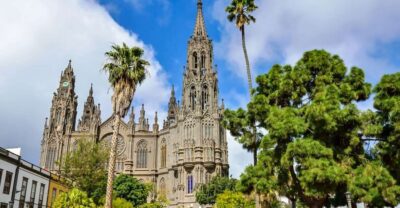
Teror is where the tour adds architecture and daily life. You’ll visit the Basilica of Our Lady of the Pine, a major landmark, and you’ll also notice Canarian-style manor houses along the streets. This stop is one of the reasons the tour feels more balanced than a straight countryside drive.
There’s also a timing detail worth thinking about. A review suggested that Teror could use a longer stop, even at the cost of time for lunch. That tells you the stop is popular and not rushed for sightseeing, but the overall schedule may be tight. If you want photos of the basilica and time to browse slowly, you’ll be happiest arriving with that mindset.
Lunch is not included, so your freedom here is real. If you’re the type who needs a proper meal at a set time, you may want to plan what you’ll do in Teror or later in Valleseco rather than improvising the moment you’re hungry.
Same island, a completely different kind of day:
- Maspalomas: Guided Camel Ride in the Maspalomas Sand Dunes
★ 4.4 · 3,690 reviews - Guided tour of the Banana World
★ 5.0 · 3,431 reviews - Gran Canaria: Banana World Guided Tour & Tasting
★ 4.8 · 2,867 reviews - From Puerto Rico de Gran Canaria: Dolphin Watching Cruise
★ 4.3 · 2,520 reviews
Las Medianías and Valleseco: The Midland View From the Inside
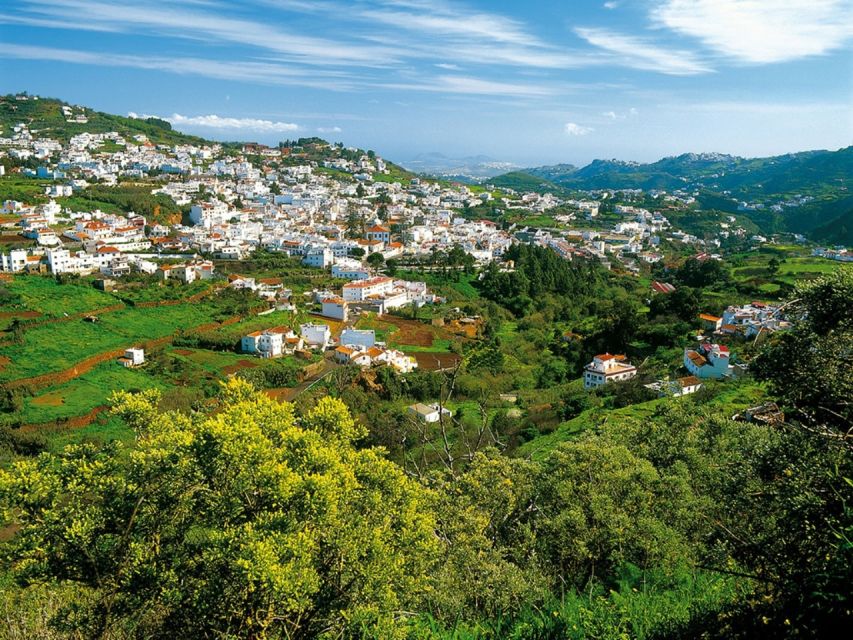
Once you cross into Las Medianías, you’re entering the midlands, the agricultural and livestock zone that helps explain why Gran Canaria is so green in the right areas. The tour description mentions lush vegetation as you ascend toward Valleseco, and that rise in elevation is often what makes the scenery feel different from the coast.
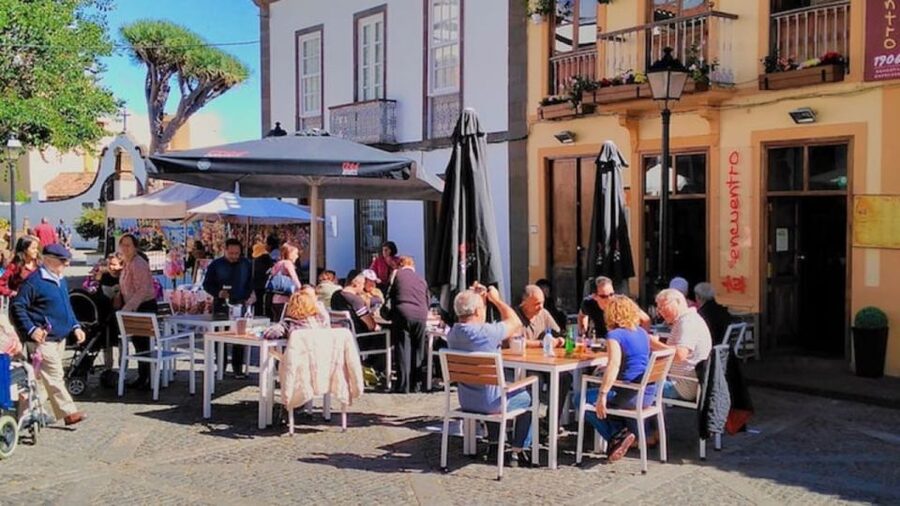
Valleseco is the midlands town stop where you get free time to stroll. It sits in a protected natural space, so it’s more about atmosphere and walking than checking off attractions on a list. This part is your chance to reset a little before the bigger viewpoints later in the day.
This is also where lunch decisions happen. You’ll have leisure time to enjoy lunch on your own, and the tour may offer an optional set-menu lunch depending on the day. Reviews mention lunch costs around 13 to 15 euros, and at least one review called it a good price-quality ratio. Another review was far less impressed, so your best strategy is to treat lunch as flexible and choose what fits your taste and budget once you see your options.
If you’re traveling with kids, or if you get restless on long bus days, the Valleseco break is a big reason this tour works. It gives you walking time, a different kind of scenery, and a moment where the schedule pauses just enough to feel human.
Roque Nublo and Tunte: When Volcanic Rock Becomes a Symbol
Roque Nublo is the iconic volcanic rock formation on this route. You’ll reach the Roque Nublo area and also stop in Tunte, which helps connect the viewpoints with real villages rather than only looking from a distance.
What makes Roque Nublo meaningful is both the past and the present. The rock holds sacred significance for ancient islanders, and today it’s still a symbol of Gran Canaria. That dual meaning is exactly what makes the tour theme click. It’s not just sightseeing, it’s symbolism grounded in geology.
The bus route approaching these viewpoints is usually part of the experience too. This is where the “Middle Mountain Region” panoramic drive pays off. You’re likely to see wide-open views and changing layers of terrain as the island’s shapes come into focus.
As for practical sightseeing, this stop is good for quick photos and a short walk to a viewpoint edge, but it’s not set up as a long hiking day. If you want to stretch your legs for hours, you’d need a different kind of outing. But if you want the landmark and the context in one packed day, Roque Nublo is the right pick.
Tunte adds a gentle shift back to village life. Even if it’s not your biggest photo stop, it helps the day feel like a real route through communities rather than a checklist of scenic points.
Valley of the Thousand Palms and the Aloe Vera Estate Payoff
On the return, the tour goes through the Valley of the Thousand Palms, known as Fataga. This canyon-like route is a great closer because it feels more dramatic than the midlands farmland and gives you that “Gran Canaria is sculpted” feeling again. It’s also a chance to photograph the valley from the bus at different angles as the scenery changes.
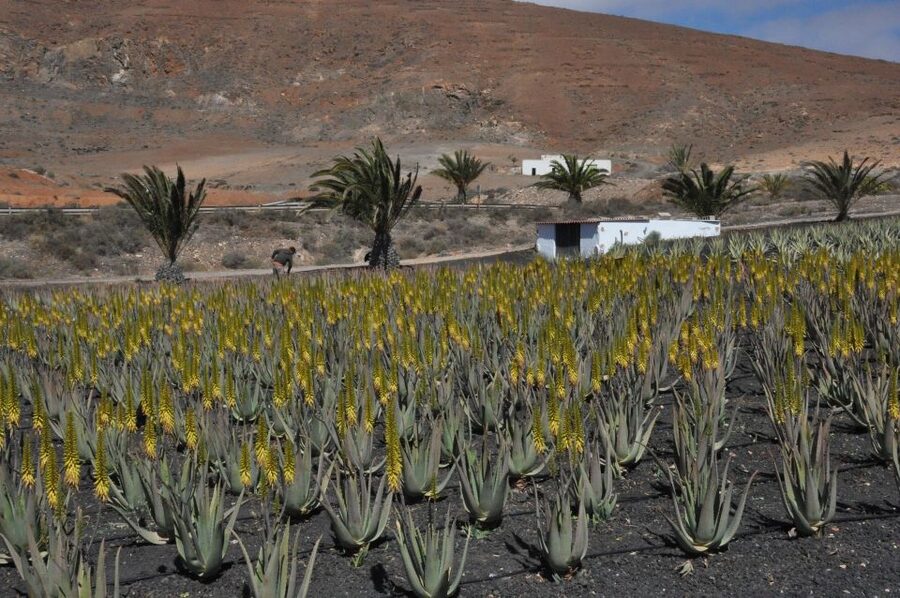
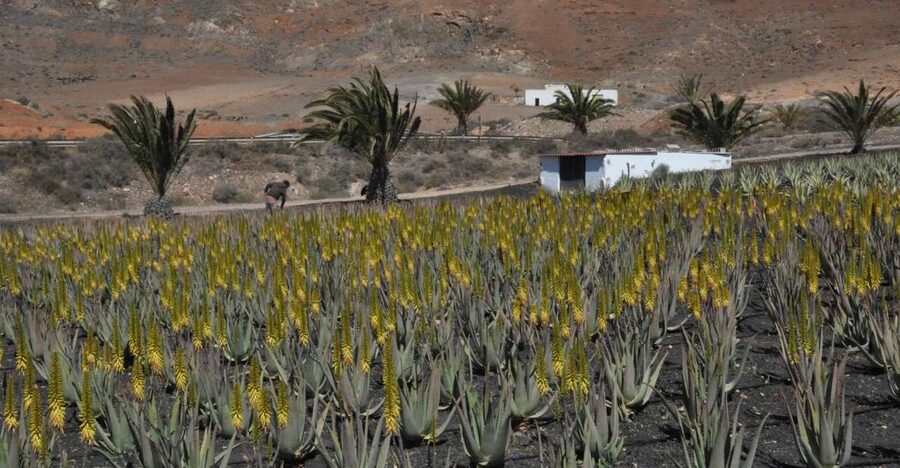
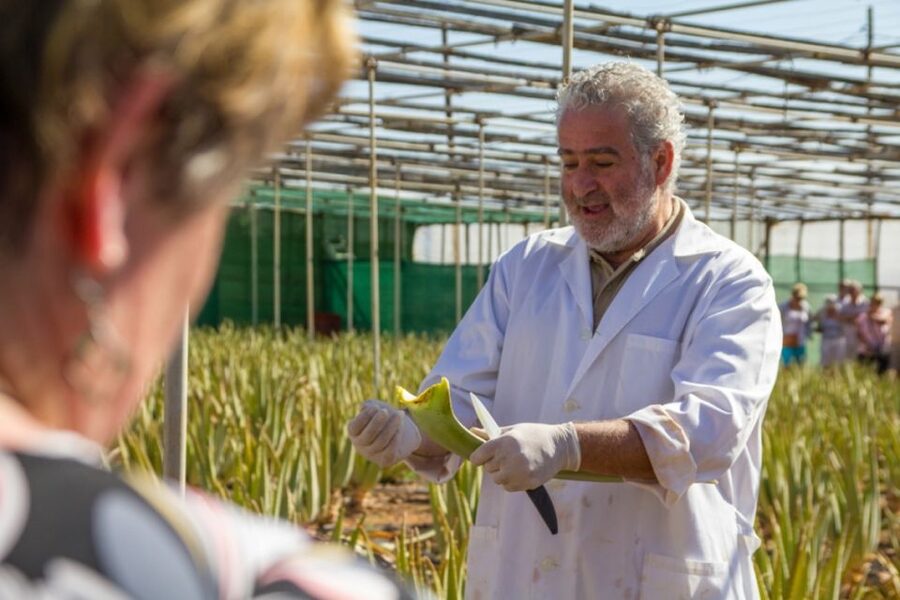
Then comes the aloe vera estate visit. The tour includes a stop where you learn about aloe vera and its benefits, explained at a local farm. Reviews are mixed on the overall vibe here: one mentions lots of promotion, so if you’re sensitive to sales talk, you might want to mentally prepare for a more sales-forward presentation during the visit.
That said, it’s still a useful cultural stop. The idea is to show you an agricultural product and how locals connect it to daily use and industry. Even if you don’t buy anything, it gives you another window into the island economy, not only the tourist economy.
Who This Tour Fits Best (And Who Might Feel Frustrated)
This tour fits well if you want a strong overview in one day and you like having your scenery interpreted by a guide. It’s especially good for first-time visitors because the route covers coastline-adjacent agriculture, midlands towns, and major landmarks like Guayadeque and Roque Nublo. You’ll leave with a sense of the island’s geography, not just a list of places.
It’s also a good fit if you’re traveling without a car. Pick-up is included from many areas, and the bus driver matters here. One review praised the driver’s skill for narrow spaces, which is exactly what you want when roads twist through mountain areas.
You might feel frustrated if you hate long bus time or you’re planning the day to be perfectly relaxed. One review said the afternoon felt rushed and barely enjoyable. Another pointed to confusion when the guide switched languages in a way that made it hard to follow explanations. If you need slower pacing and consistent one-language narration, you may want to look for a tour with fewer stops or more flexible timing.
Also, think about your tolerance for lunch uncertainty. Lunch isn’t included, and the optional meal quality can vary. If you have dietary needs, you’ll need to be ready to choose from what’s available during free time.
Should You Book This Gran Canaria Past and Present Tour?
Book it if you want a guided, one-day loop that connects Guayadeque cave houses, Teror, Valleseco, Roque Nublo, and Fataga into a coherent island story. At $58 for an 8-hour day with pick-up from multiple hotspots and a live guide, it’s solid value if you’re comfortable with a full schedule.
Skip it, or at least choose carefully, if you’re easily stressed by tight timing, long pick-ups, and lots of bus time. If you’re particular about lunch or you need a calm afternoon, this tour may feel like too much.
If you do book, bring your windbreaker, wear shoes you can walk in, and go in with the right expectation: you’re not trying to slow down the day. You’re trying to understand Gran Canaria fast, with guidance, and with real geographic variety.
FAQ
How long is the Gran Canaria Past and Present tour?
It lasts 8 hours.
What is the price per person?
The price is $58 per person.
What is included in the tour price?
You get pick-up service from listed areas, a professional tour guide, visits and stops including Guayadeque cave houses, Teror, the Roque Nublo area and Tunte, an aloe vera estate visit, and free time to explore Valleseco. Lunch and drinks are not included.
Is lunch included?
No. Lunch and drinks are not included. You’ll have leisure time to explore Valleseco and have lunch on your own.
Where does pick-up happen?
Pick-up is available from Playa del Inglés, Maspalomas, Costa Meloneras, San Agustín, Bahía Feliz, Taurito and Puerto Mogán.
What languages is the live guide?
The live tour guide works in Spanish, English, and German.
What should I bring?
You should bring comfortable shoes, a windbreaker, and comfortable clothes.
When will I receive pick-up details?
Pick-up details are provided 24 to 48 hours before the start of the tour.
Recently reviewed around Gran Canaria
- Traditional Gran Canaria: Arucas, Firgas and Teror★ 5.0 · 4 reviews
- Water Activities Combo in Gran Canaria★ 4.0 · 5 reviews
- YIN Yoga – deep stretch and relax★ 5.0 · 7 reviews
- Your photo shoot in Gran Canaria★ 5.0 · 4 reviews
- Gran Canaria Historic Tour – Yestarday and Today Premium★ 4.0 · 10 reviews
- Wanderungen im grünen Gran Canaria★ 5.0 · 3 reviews
- E-Bike CitySightseeing: Maspalomas Dunes, Playa Ingles, Meloneras★ 5.0 · 10 reviews
- e-Scooter City Tour + Camel Ride inside Maspalomas Dunes★ 4.5 · 11 reviews
Tours, compared.
The Volcano Heart Tour: Hiking, Tasting and Sunset Experience
Read our review →